Tooth Extractions
Remove damaged or decayed teeth safely with gentle extractions to protect overall health.
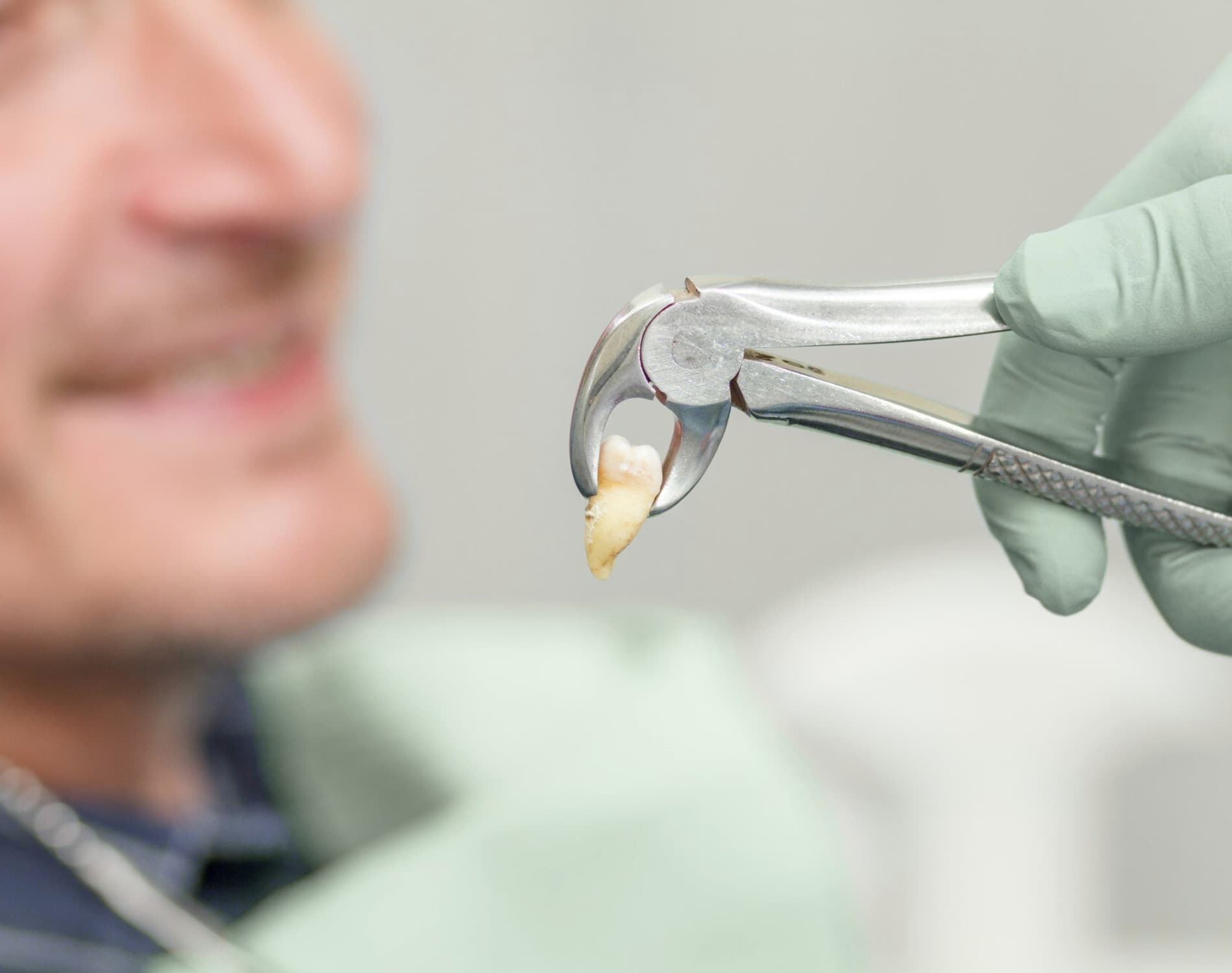
Book ConsultationTooth extractions are procedures to remove teeth that are damaged, decayed, or problematic. Performed under local anesthesia or sedation, extractions relieve pain, prevent infection, and prepare the mouth for restorations or orthodontic treatments when a tooth cannot be saved.
Tooth extractions involve removing a damaged, infected, or problematic tooth. The procedure is done with numbing or sedation, ensuring comfort, and helps protect oral health while preparing for possible future restorations.
Tooth extractions remove severely damaged or problematic teeth to protect oral health. Extractions prevent infection, relieve pain, and prepare the mouth for restorative solutions like implants or bridges. This treatment ensures long-term comfort and improved dental function.
Frequently Asked Questions
Getting a tooth pulled usually doesn't hurt during the procedure, because the area is numbed with local anesthesia; you'll feel pressure and movement but not sharp pain. For anxious patients or more complex extractions, SoCal Prime Dentistry offers laughing gas, oral sedation, and IV sedation. Once the numbness wears off, expect soreness for a few days, which over-the-counter or prescribed pain relievers and cold packs usually control. Pain that gets worse after a few days should be checked.
Most people feel close to normal within a few days after a simple tooth extraction, and the gum usually closes over the site in one to two weeks. Surgical extractions can take a little longer, and the bone underneath keeps filling in over the following months. On the first day, rest, bite on gauze to control bleeding, and use cold packs for swelling. Stick to soft foods and chew on the other side until it feels comfortable.
Dry socket happens when the blood clot in an extraction site dislodges or dissolves too early, exposing the bone and causing throbbing pain a few days later that can spread toward the ear. To help prevent it, don't smoke or use straws, avoid spitting forcefully or rinsing hard for the first day, and follow your aftercare instructions closely. If you develop worsening pain or a bad taste, call your dentist; dry socket is treatable.
After a tooth extraction, the main options for replacing the tooth are a dental implant, a fixed bridge, or a removable partial denture. An implant replaces the root and doesn't rely on neighboring teeth, a bridge attaches to the teeth on either side, and a partial denture can be taken out. Filling the gap helps keep nearby teeth from shifting and slows bone loss. Dr. Sharma can review each option with you before the extraction, including whether a bone graft makes sense.
The cost of a tooth extraction depends on whether it's a simple or surgical extraction, the tooth's position, any imaging or sedation, and whether a bone graft is placed. Many dental insurance plans cover extractions, subject to your plan's terms. The team gives you a written estimate before treatment, checks your insurance benefits, and offers CareCredit and Sunbit financing, plus an in-house membership plan for patients without insurance.