Sleep Apnea Treatment
Treat snoring and improve sleep quality with customized sleep apnea dental solutions.
Book ConsultationSleep apnea treatment in dentistry often involves custom oral appliances designed to keep airways open during sleep. These devices help reduce snoring, improve oxygen flow, and protect overall health by addressing obstructive sleep apnea non-invasively and comfortably.
Sleep apnea treatment often involves custom oral appliances that reposition the jaw and airway. Worn during sleep, these devices reduce snoring, improve breathing, and help patients achieve safer, more restful sleep without invasive procedures.
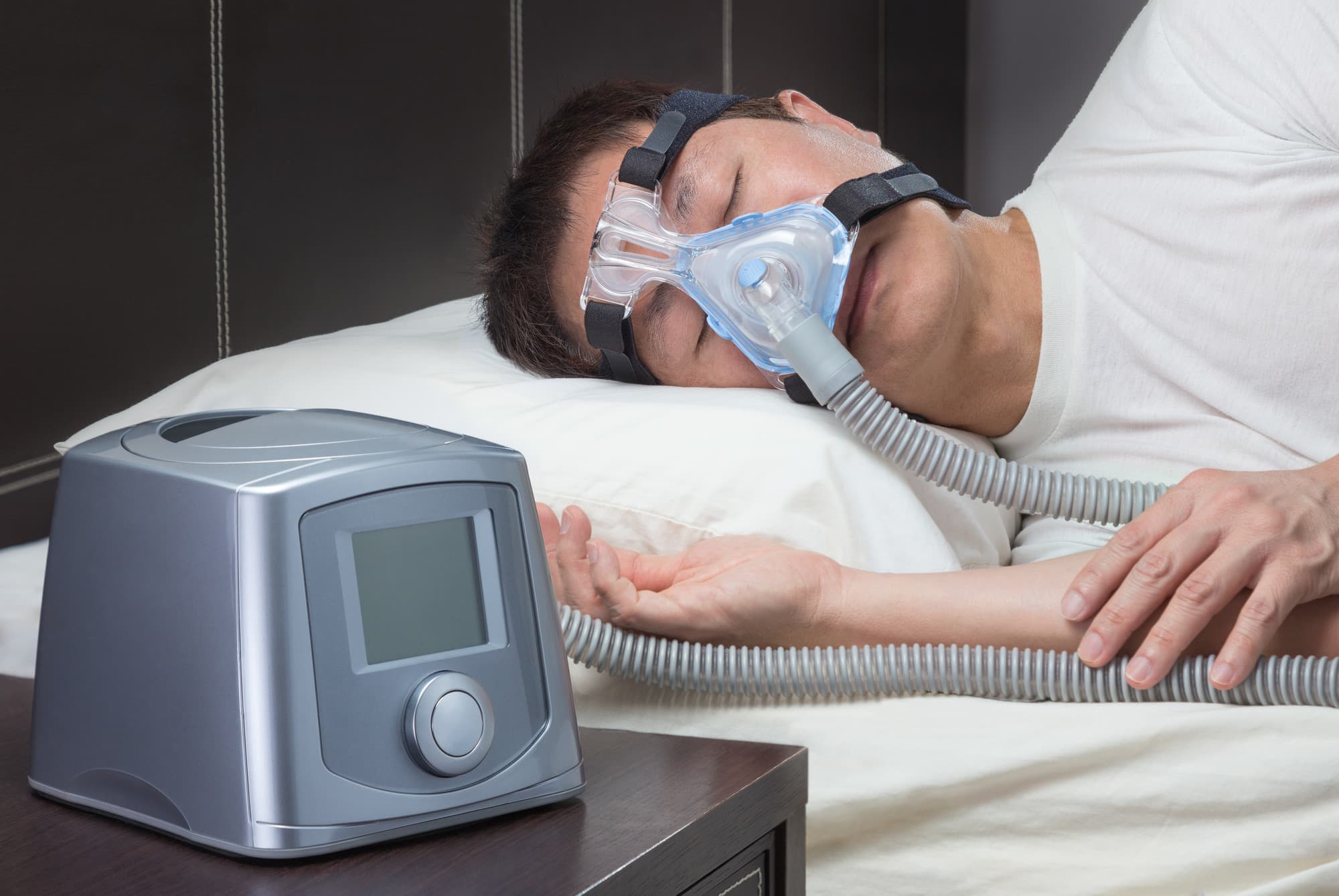
Sleep apnea treatment helps patients breathe properly at night, improving sleep quality and overall health. Using oral appliances or CPAP alternatives, it reduces snoring, fatigue, and health risks. Treatment enhances energy, focus, and long-term wellbeing.
Frequently Asked Questions
Yes, dentists can treat obstructive sleep apnea with a custom oral appliance, though the diagnosis must come from a physician, usually after a sleep study. The appliance looks like a sports mouthguard and holds your lower jaw slightly forward during sleep, which helps keep the airway open. It's made from impressions or scans of your teeth and can be adjusted over time. Dr. Sharma fits and fine-tunes the appliance so it is effective and comfortable.
Not always. Snoring is common and can be harmless, but loud, frequent snoring is also a key warning sign of obstructive sleep apnea. Other signs include pauses in breathing or gasping during sleep, waking with headaches or a dry mouth, daytime sleepiness, and trouble concentrating. Untreated sleep apnea is linked to high blood pressure and heart problems. If these symptoms sound familiar, talk to your physician about a sleep study, which is the only way to confirm a diagnosis.
CPAP is the standard first-line treatment for moderate to severe obstructive sleep apnea, while oral appliances are a well-established option for mild to moderate cases and for people who can't tolerate CPAP. Many people find an appliance easier to use consistently because it's quiet, small and travel-friendly, with no mask or hose. The right choice depends on the severity of your apnea, your anatomy and your preferences, and is made together with your sleep physician.
Yes, mild side effects are common at first, including jaw soreness, tender teeth, extra saliva or a dry mouth. These usually ease within a few weeks as you adjust. Over time, some people notice small changes in how their teeth fit together, so regular follow-up visits are important to monitor your bite and adjust the device. An oral appliance may not suit you if you have too few healthy teeth, active gum disease or certain jaw joint problems.
Coverage varies by plan. Because sleep apnea is a medical condition, oral appliances may fall under medical rather than dental benefits, often with a confirmed diagnosis from a sleep study. Your cost depends on the type of appliance, the number of adjustment visits and follow-up care. SoCal Prime Dentistry checks your insurance benefits and gives you a written estimate before treatment, and financing through CareCredit and Sunbit, plus an in-house membership plan, can help with costs.