Ridge Augmentation Surgery
Restore jaw shape and strength with ridge augmentation surgery for future dental implants.
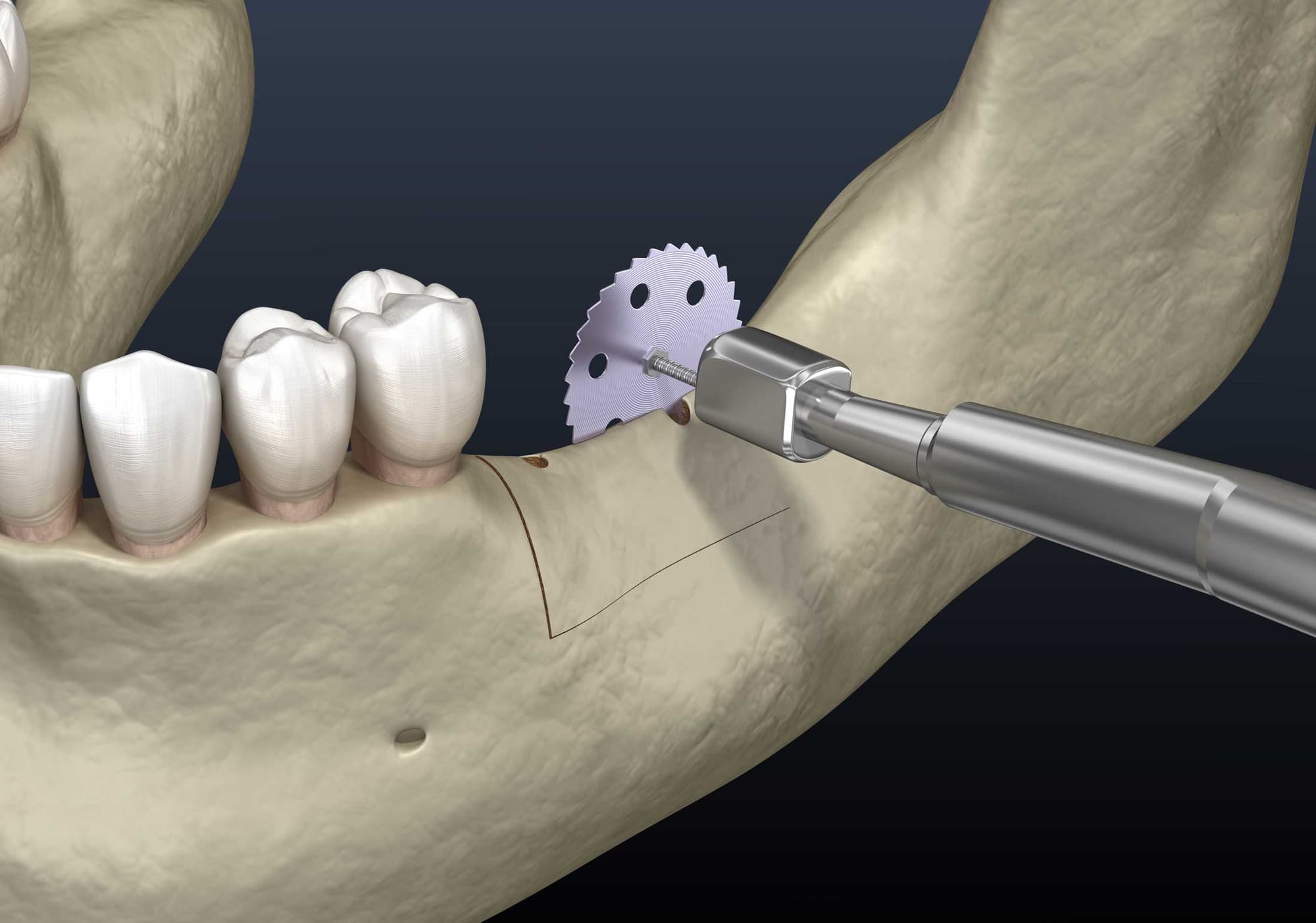
Book ConsultationRidge augmentation surgery is a procedure that rebuilds jawbone lost after tooth extraction or injury. It restores natural contours, strengthens the bone, and creates a stable foundation for dental implants, ensuring long-term oral health and improved smile aesthetics.
Ridge augmentation surgery works by placing bone graft material into areas of jawbone loss. Over time, the graft fuses with natural bone, rebuilding strength and structure. This creates a solid, healthy foundation for future dental implants or restorative treatments.
Ridge augmentation surgery helps restore lost bone and natural facial contours, improving oral health and appearance. It creates a strong base for dental implants, enhances stability of restorations, and prevents long-term complications from tooth loss, ensuring confidence in your smile.
Frequently Asked Questions
You may need ridge augmentation before dental implants if your jawbone has become too thin or too short to hold an implant securely, which often happens after an extraction, an injury, gum disease, or years of missing teeth. Your dentist measures the bone with digital imaging to decide. Some patients have enough bone and can skip it, and in some cases a smaller graft can be placed at the same visit as the extraction or the implant.
Ridge augmentation surgery is usually not very painful during the procedure, because the area is numbed with local anesthesia and you feel pressure rather than sharp pain. For extra comfort, SoCal Prime Dentistry offers laughing gas, oral sedation, and IV sedation. Afterward, soreness, swelling, and some bruising are common for several days and usually respond to prescribed or over-the-counter pain relievers and cold packs. Call the office if pain gets worse instead of better.
Initial healing after ridge augmentation takes about one to two weeks, but the bone graft usually needs several months to mature and fuse with your jaw before an implant can be placed. During the first days, eat soft foods, avoid chewing on the site, don't smoke, and keep the area clean as instructed. Stitches may be removed or dissolve on their own. Follow-up visits and imaging show when the bone is ready for the next step.
Bone graft material for ridge augmentation can come from several sources: your own bone, processed donor bone, animal-derived bone, or synthetic materials. Each acts as a scaffold that your body gradually replaces with new natural bone, and a protective membrane is often placed over the graft to help it heal. Dr. Sharma will explain which material suits your situation based on the size of the bone defect, your overall health, and your preferences.
The cost of ridge augmentation depends on how much bone needs to be rebuilt, the graft material and membrane used, any sedation, and whether it's done along with an extraction or implant. Some dental plans cover bone grafting, while others treat it as part of implant care with separate limits. The team gives you a written estimate before treatment, checks your insurance benefits, and offers CareCredit and Sunbit financing plus an in-house membership plan for patients without insurance.