
Dental Implants
Replace missing teeth with durable dental implants that restore chewing strength and aesthetics.
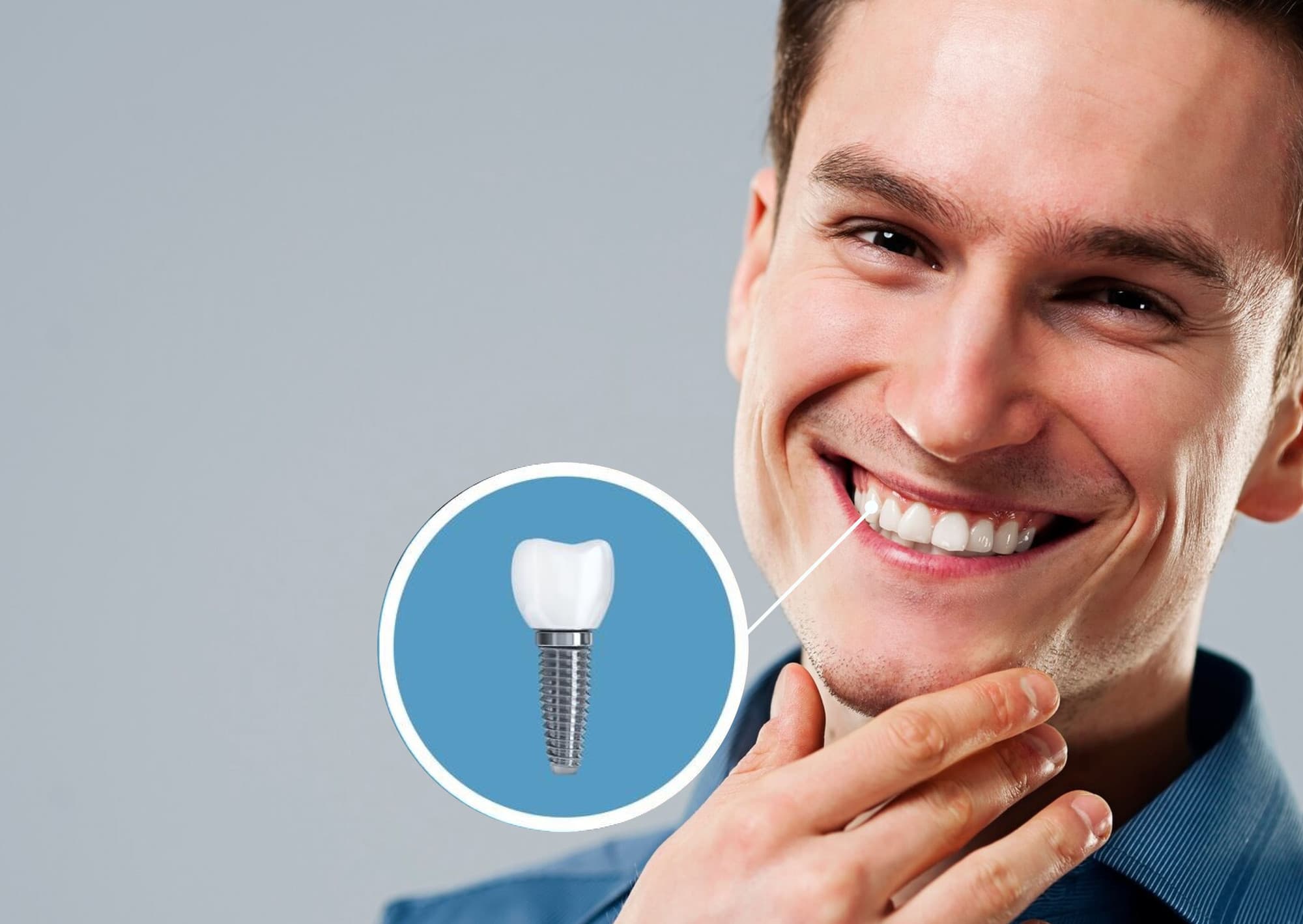
Book ConsultationDental implants are titanium posts surgically placed into the jawbone to replace missing tooth roots. They provide a secure foundation for crowns, bridges, or dentures, restoring chewing ability, preventing bone loss, and delivering a natural look and long-lasting solution.
Dental implants replace missing teeth by surgically placing titanium posts into the jawbone, which fuse with bone over time. A crown is then attached, restoring natural function, aesthetics, and stability while preserving long-term oral health.
Dental implants replace missing teeth with titanium posts that support natural-looking crowns. They restore full function, improve appearance, and prevent bone loss. Implants provide a permanent, comfortable solution that feels like real teeth and helps maintain long-term oral health.
Frequently Asked Questions
Dental implant placement is done with the area fully numbed, so most people feel pressure and vibration rather than pain. Placing a single implant is often compared to having a tooth extracted, and laughing gas, oral sedation or IV sedation are available if you feel anxious. For a few days afterward you may have soreness, swelling or mild bruising, which usually responds to over-the-counter pain relievers and cold compresses. Discomfort that increases after several days, or swelling with fever, should be checked promptly.
With good care, the implant post itself can last for decades, because it fuses with your jawbone. The crown attached to it is subject to normal wear and may need replacement after many years, commonly in the 10 to 15 year range or longer. Daily brushing and flossing, regular cleanings and exams, not smoking, and wearing a night guard if you grind your teeth all help protect the implant and the gum and bone around it.
You may be a good candidate for dental implants if you're missing one or more teeth, have healthy gums and enough jawbone to support an implant, and are in reasonably good overall health. Smoking, uncontrolled diabetes, certain medications and active gum disease can affect healing, but they don't always rule implants out. If bone has been lost, a bone graft may rebuild it first. Dr. Sharma uses an exam and digital imaging to see whether implants are right for you.
The full dental implant process usually takes several months from start to finish. After an exam and digital imaging, the implant post is placed in a surgical visit of about one to two hours. The jawbone then needs several months to fuse with the implant before the custom crown is attached in a short appointment. If an extraction or bone graft is needed first, add healing time for that step. Ask about temporary options so you aren't left with a visible gap while you heal.
Dental implant cost depends on how many teeth are being replaced, whether you need extractions or bone grafting, the type of crown, bridge or denture placed on the implants, and any sedation. Some dental plans contribute to part of the treatment, often the crown or related procedures. SoCal Prime Dentistry reviews your benefits and gives you a written estimate before treatment starts, and CareCredit, Sunbit and an in-house membership plan can help make treatment fit your budget.