
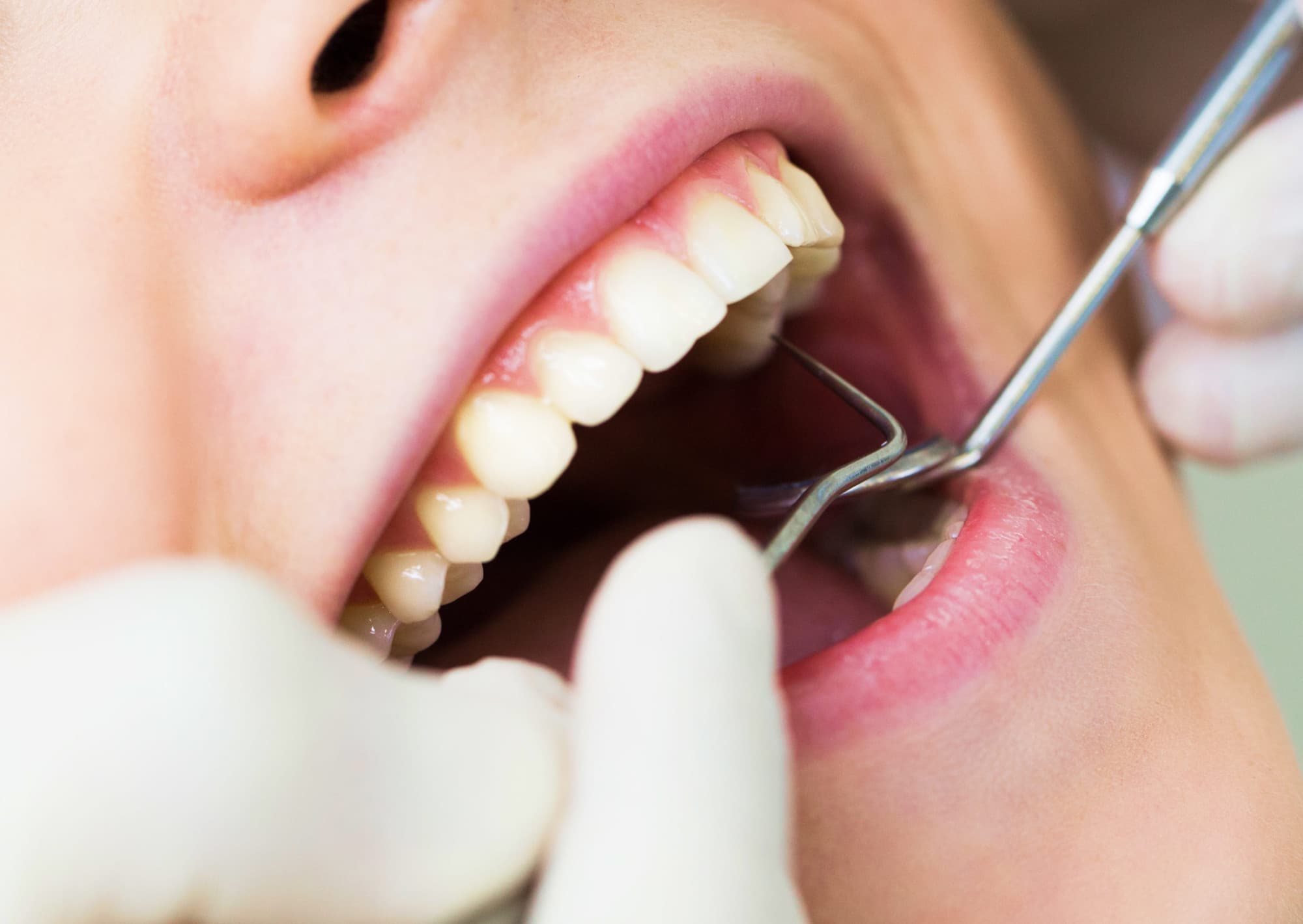
Dental Fillings
Fix cavities and restore function with strong, natural-looking dental fillings for lasting protection.
Book ConsultationDental fillings are restorative treatments used to repair teeth affected by decay or minor damage. After removing the cavity, durable materials like composite resin or amalgam are used to restore tooth structure, protect against further decay, and improve function.
Dental fillings treat cavities by removing decayed tooth material and replacing it with composite resin or other materials. This restores the tooth’s structure, stops further decay, and blends naturally with surrounding enamel for strength and appearance.
Dental fillings restore teeth damaged by cavities or minor fractures. By sealing the affected area with durable materials, fillings prevent further decay and protect tooth structure. This treatment relieves sensitivity, restores function, and helps maintain a healthy, confident smile.
Frequently Asked Questions
Getting a filling usually isn't painful, because the tooth and nearby gum are numbed with a local anesthetic before any decay is removed. You may feel pressure or vibration during the procedure, but not sharp pain. If you feel anxious about dental work, laughing gas can help you relax. Once the numbness wears off in a few hours, mild tenderness or sensitivity to hot and cold is common for a few days and usually fades on its own.
Tooth-colored composite fillings often last many years, though there is no fixed lifespan. How long yours lasts depends on the size and location of the filling, your bite, habits like grinding or chewing ice, your diet and how well you brush and floss. Over time, fillings can wear, chip or develop new decay around the edges. Regular checkups with digital imaging help Dr. Sharma spot these problems early, and a large filling in a weakened tooth may eventually need a crown.
No, once a cavity has formed a hole in the enamel, it can't heal on its own and needs to be filled to stop it from growing. Very early decay, which can look like a chalky white spot, can sometimes be reversed with fluoride, careful brushing and fewer sugary snacks. Many cavities cause no symptoms at first, so routine exams matter. Sensitivity to sweets or temperature, pain when biting or a visible dark spot are signs to schedule a visit.
With a tooth-colored filling, you can usually eat as soon as the numbness wears off, because the material is hardened with a curing light before you leave. Waiting until feeling returns helps you avoid biting your cheek, lip or tongue. Silver amalgam fillings take longer to reach full strength, so avoid chewing hard foods on that side for about a day. If your bite feels high or sensitivity lasts more than a couple of weeks, call for a quick adjustment.
Most dental insurance plans include coverage for fillings, though how much they pay depends on your plan. Your total cost depends on the number of fillings, how many surfaces of each tooth are involved, the material used and the tooth's location. SoCal Prime Dentistry accepts most major insurance plans, but not Medi-Cal, Healthplex, HMO or DMO plans. The team verifies your benefits, provides a written estimate, and offers CareCredit, Sunbit and an in-house membership plan.